No individual is more closely associated with the decision to build the Petronas Twin Towers than Tun Dr. Mahathir bin Mohamad, Malaysia's fourth — and later seventh — Prime Minister. His relentless drive to transform Malaysia from an agricultural economy into a modern industrial powerhouse set the stage for one of the most ambitious construction projects in Asian history.
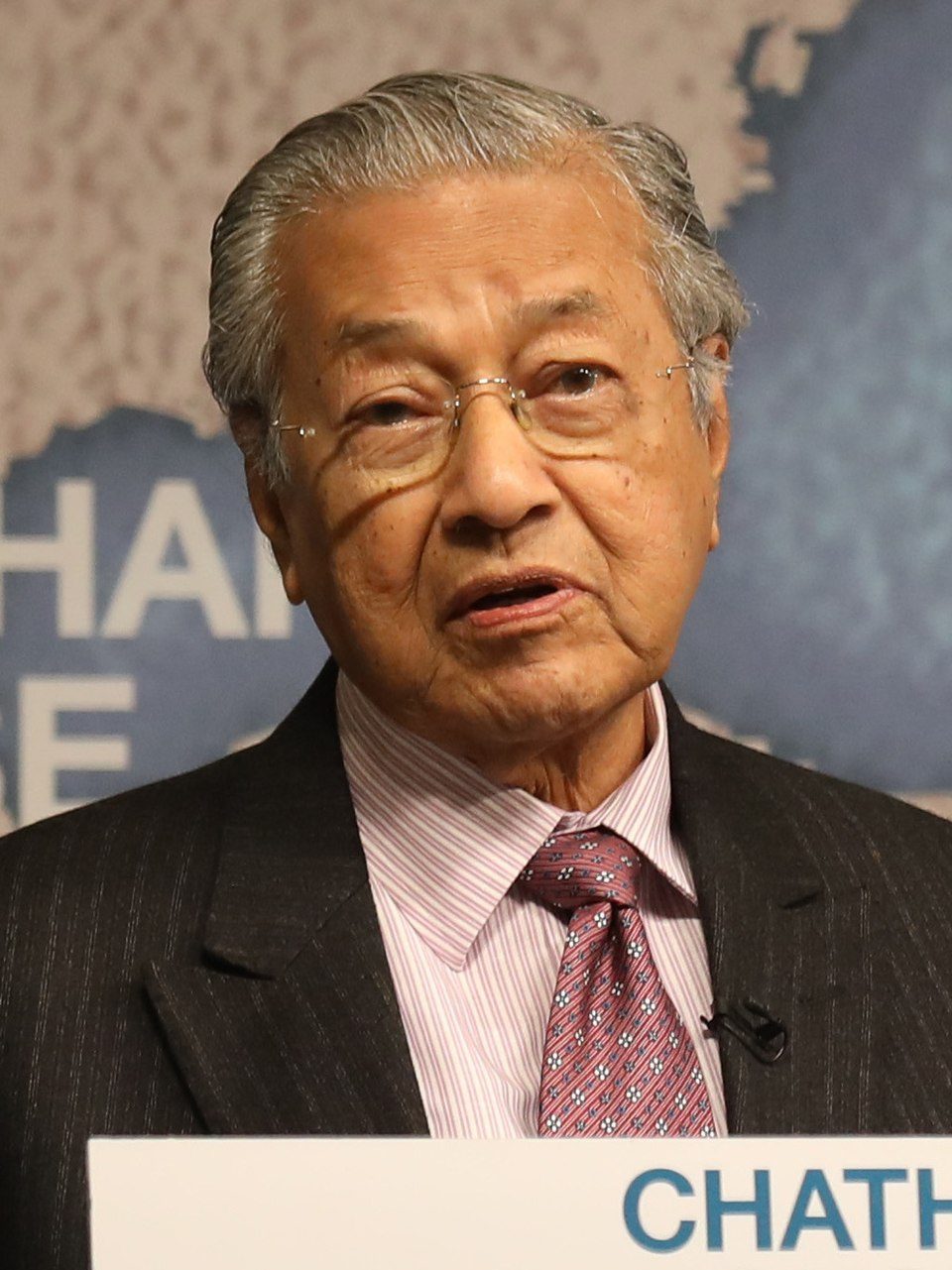
Tun Dr. Mahathir Mohamad, Malaysia's longest-serving Prime Minister.
Vision 2020 and the Modernisation Dream
When Mahathir took office in 1981, Malaysia was still heavily dependent on commodity exports — rubber, palm oil, and tin. The young nation, independent only since 1957, lacked the modern infrastructure and global profile that its Southeast Asian neighbours Singapore and Hong Kong enjoyed. Mahathir was determined to change that narrative, and he articulated his ambitions through a sweeping national programme known as Wawasan 2020 (Vision 2020), unveiled in February 1991.
Vision 2020 set the goal of Malaysia achieving developed-nation status by the year 2020. It encompassed economic diversification, industrialisation, education reform, and a deliberate effort to place Malaysia on the world map through iconic infrastructure projects. The Petronas Twin Towers, announced the same year, were to be the physical embodiment of that aspiration — a signal to the world that Malaysia could compete at the highest level.
The Decision to Build the Tallest
Mahathir did not merely approve the construction of a tall building — he insisted that it be the tallest in the world. At the time, the record was held by Chicago's Sears Tower (now Willis Tower), which had stood at 442 metres since 1973. Mahathir saw surpassing that mark as a potent symbol, a way of demonstrating that developing nations could achieve engineering excellence previously monopolised by the West.
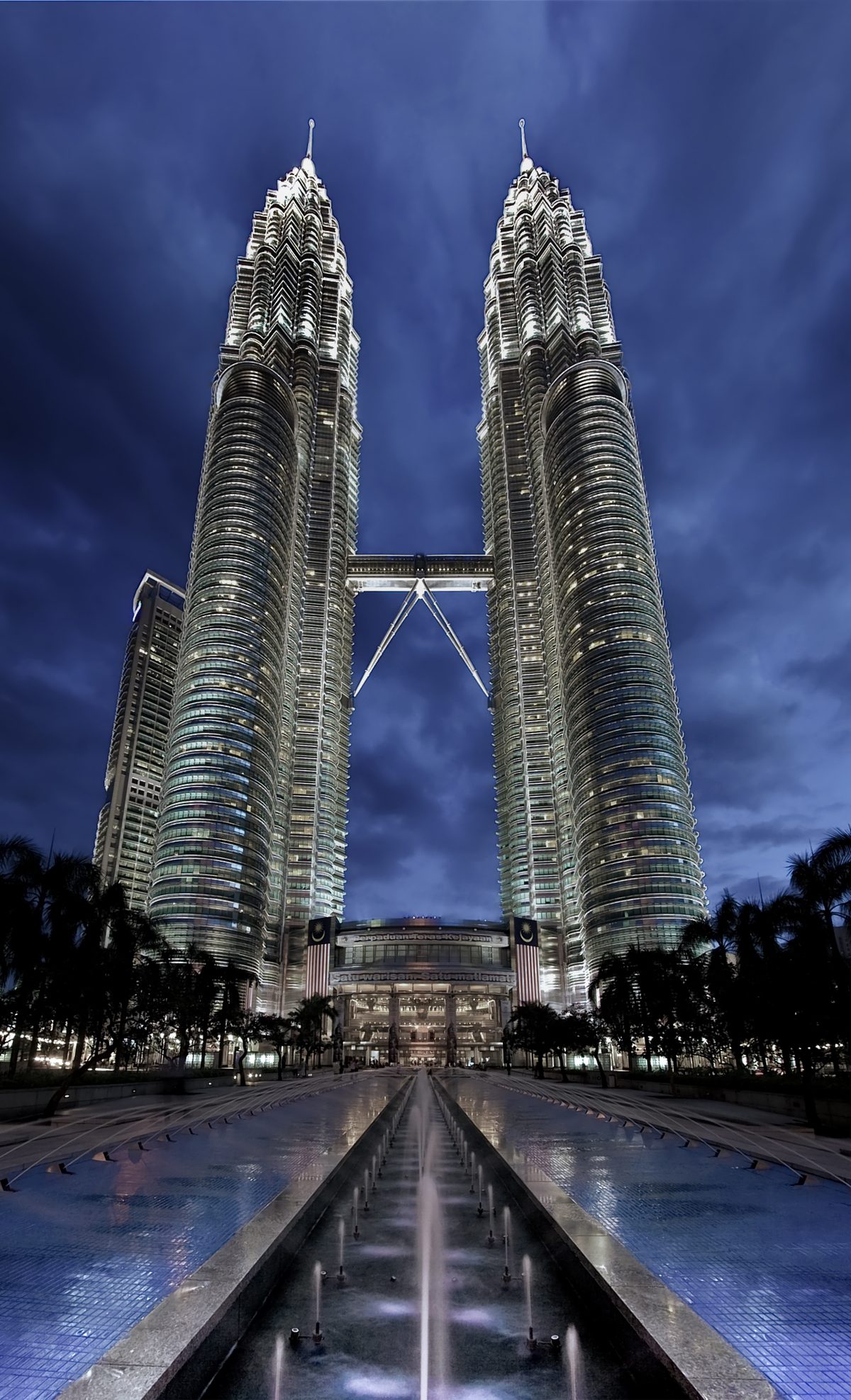
The towers soar above Kuala Lumpur — a direct result of Mahathir's insistence on a world-record height.
Critics at home and abroad questioned whether such expenditure was wise for a developing country. Mahathir countered that the project would generate thousands of construction jobs, attract foreign investment, boost tourism, and instill national pride. He appointed PETRONAS, the state oil company flush with hydrocarbon revenues, as anchor tenant and developer, ensuring the project had both the financial backing and the institutional commitment to see it through.
Economic and Political Context
The 1990s were a period of extraordinary growth across Southeast Asia, often called the "Asian Tiger" era. Malaysia's GDP grew at rates exceeding seven percent annually for much of the decade, fuelled by electronics manufacturing, petroleum exports, and a rapidly expanding services sector. This economic confidence provided the financial foundation for mega-projects like KLCC, the new Kuala Lumpur International Airport (KLIA), and the Multimedia Super Corridor.
However, the 1997 Asian Financial Crisis struck just as the towers were nearing completion. Currency values plummeted, stock markets crashed, and neighbouring economies required International Monetary Fund bailouts. Mahathir controversially rejected IMF assistance, imposed capital controls, and pegged the Malaysian ringgit to the US dollar. While debated by economists, these measures stabilised the economy more quickly than many had predicted, and the Petronas Towers opened on schedule in 1999 — a defiant symbol of resilience amid regional turmoil.
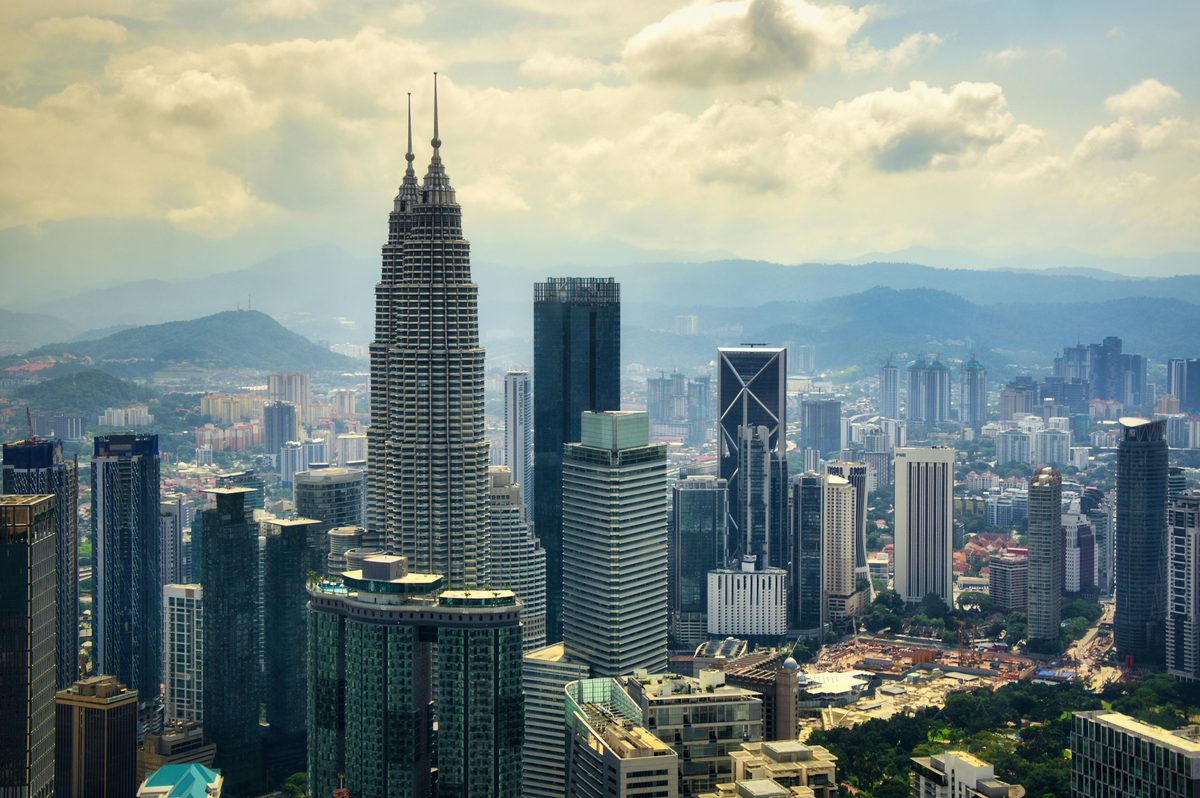
Today's Kuala Lumpur skyline — a testament to the modernisation drive Mahathir initiated in the 1980s.
Cultural and National Significance
Mahathir was keenly aware that the towers needed to represent Malaysia, not merely impress with height. He championed the selection of César Pelli's design precisely because its floor plan was derived from Islamic geometry — the eight-pointed star that resonates with the country's Muslim-majority population. He also insisted that local materials, contractors, and artisans be involved at every stage, ensuring that the project delivered tangible economic benefits to Malaysian businesses.
In speeches throughout the 1990s, Mahathir repeatedly framed the towers as proof that "Muslims can build great things." This message was directed both at a domestic audience, encouraging national confidence, and at the international community, challenging stereotypes about the developing world. The towers became not just an office building but a geopolitical statement — a marker of Malaysia's place in the modern global order.
Legacy of the Project
Mahathir's gamble paid off spectacularly. The Petronas Twin Towers attracted tens of millions of visitors in their first decade, cementing Kuala Lumpur as a major tourist destination. The KLCC development area around the towers became the most prestigious business district in Southeast Asia, drawing multinational corporations and driving property values upward. Tourism revenues surged, and the towers appeared on virtually every piece of Malaysian promotional material — from banknotes to airline livery.
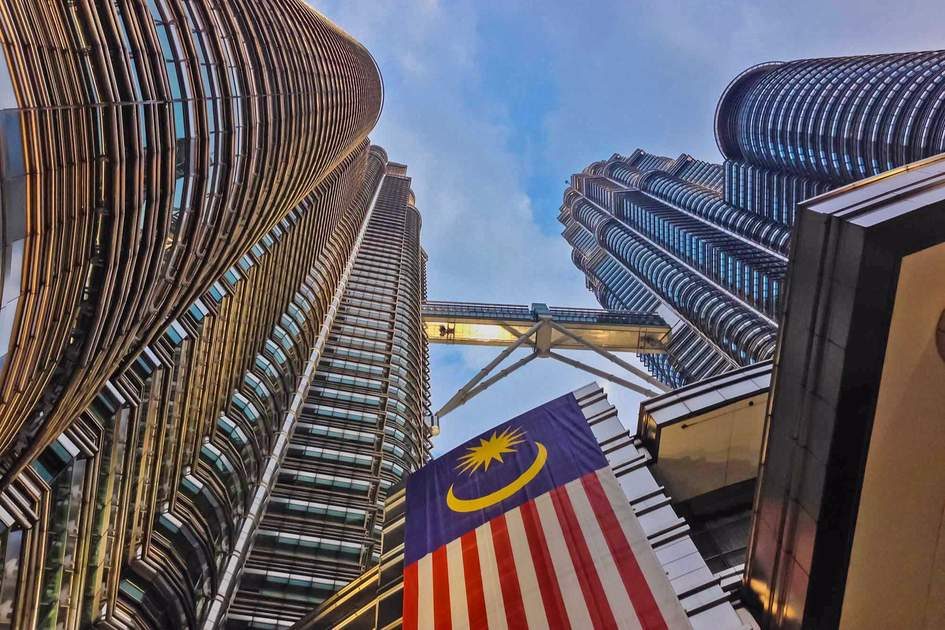
The Malaysian flag alongside the towers — a powerful image of national identity.
Beyond economics, the project's cultural legacy is profound. Surveys consistently show that Malaysians of all ethnicities regard the towers as the single most important symbol of their national identity. The image of the twin spires has become shorthand for Malaysia itself, instantly recognisable in the same way the Eiffel Tower represents France or the Sydney Opera House represents Australia.
Mahathir stepped down from his first stint as Prime Minister in 2003, then returned to the role from 2018 to 2020. Throughout both tenures, and in his writings and speeches afterwards, he has cited the Petronas Twin Towers as one of the achievements of which he is most proud — a concrete manifestation of his belief that Malaysia could and should aim for the extraordinary.
Key Facts — Dr. Mahathir Mohamad
Born: 10 July 1925, Alor Setar, Kedah · Prime Minister: 1981–2003 (4th PM), 2018–2020 (7th PM) · Key initiative: Wawasan 2020 (Vision 2020) · Tower involvement: Championed the project, insisted on world-record height, selected PETRONAS as developer · Legacy: The towers remain Malaysia's most recognised national symbol.